

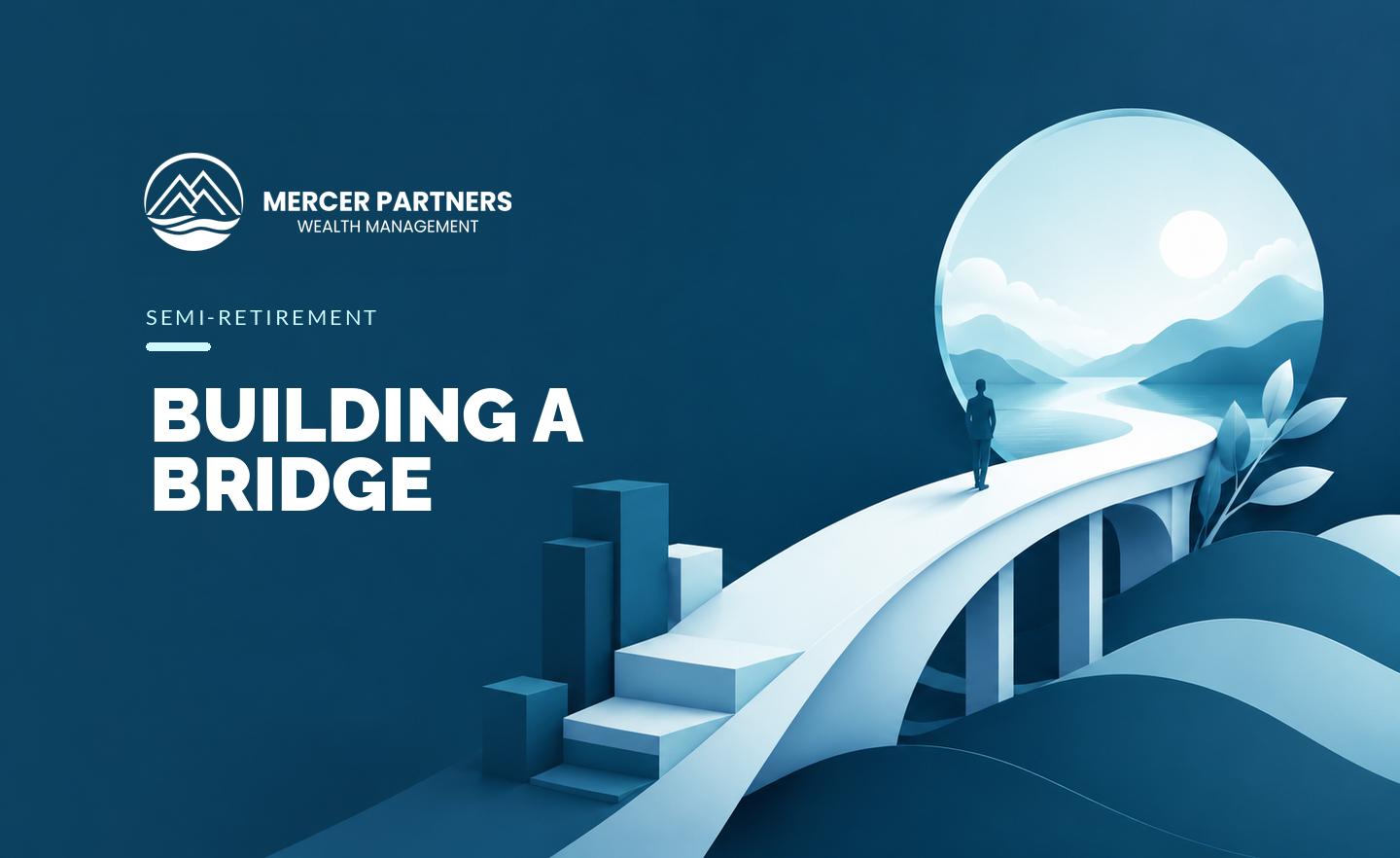
I’ve never agreed with the way we’ve been taught to think about retirement. We spend 40 to 50+ years working, building, solving problems, and sharpening our skills—then, one day, we’re expected to simply stop. If you’re like me, or like many of the people entering retirement each day, that can leave you wondering, “Well…now what?” Our desire to contribute, progress, and find purpose doesn’t disappear with our final clock-in. That is why more retirees and pre-retirees are trading full-time careers for part-time work driven by purpose, flexibility, and personal fulfillment. This increasingly common stage of life has a fitting name: semi-retirement.
Semiretirement is a transitional phase between full-time work and complete retirement, allowing individuals to reduce their work hours or shift to less demanding roles while still earning an income. It’s an increasingly popular option for those who aren’t quite ready (or financially able) to stop working entirely but want more flexibility and time for personal pursuits.
Semiretirement can take various forms, depending on an individual’s goals and financial needs. Some people scale back hours at their current job while others transition to part-time roles, freelance work, consulting or even starting a small business. Key advantages of semiretirement include:
- Financial security. Provides a continued income, which helps preserve savings and delay drawing down retirement accounts.
- Mental and physical well-being. Promotes well-being by maintaining a routine and sense of purpose through part-time work. The physical benefits of keeping both body and mind engaged as we age are very well known.
- Flexibility. Allows for more personal time without fully giving up the benefits of working.
- Gradual transition. Eases the psychological shift from a career-focused life to full retirement.
A Six-Step Plan for Achieving Semiretirement
Successful semiretirement requires careful financial and lifestyle planning, including:
- Financial assessment. Evaluate your current savings, retirement accounts and income needs. Calculate how much you need to supplement your retirement savings with part-time work.
- Flexible income streams: Identify potential income sources, such as consulting, part-time employment or nonretirement investment accounts, to ensure you’re financially secure.
- Healthcare coverage. Consider how you’ll maintain health insurance, especially if leaving a full-time job with benefits. Options might include Continuation of Health Coverage (COBRA), spousal coverage or private insurance.
- Social Security strategy. Delaying Social Security benefits can increase your monthly amount later. Decide whether to claim early or wait.
- Skill assessment and career pivot. If you’re planning to shift industries or take on freelance work, upskill or retrain as needed before scaling back.
- Lifestyle adjustments. Practice living on a semiretirement budget to see if it’s sustainable.
By planning, you can create a flexible, fulfilling lifestyle that bridges the gap between full-time work and complete retirement. Semi-retirement does not happen successfully by accident, it requires thoughtful planning around your income, healthcare, investments, taxes, and the kind of life you want to build. With the right plan, you can create a flexible and fulfilling transition between full-time work and complete retirement while continuing to find purpose along the way. As your partners on this financial journey, we would love to hear what your ideal retirement—or semi-retirement—looks like and help you build a plan to make it possible.
Informational Sources: Fidelity: “Guide to Working Less and Living More” (November 18, 2024); Smart Asset: “What Is Semi-Retirement and How Do You Do It? (May 29, 2024).